
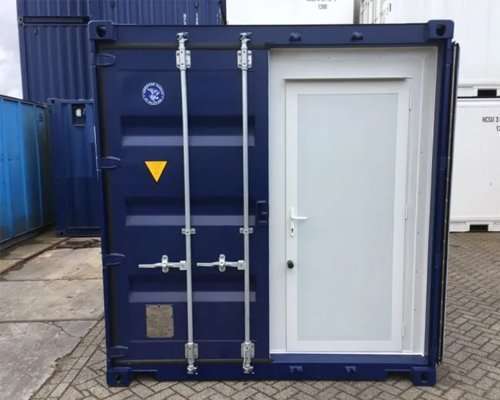
A bare steel container swings from hot to cold with the weather and can sweat with condensation inside. If you are converting a container into an office, workshop, living space, or climate-sensitive storage, insulation is essential. Here are your main options, what they cost in effort and money, and how to get it right.
Why Insulate at All?
- Comfort: steel conducts heat fast — insulation keeps interiors livable in summer and winter.
- Condensation control: warm, humid air hitting cold steel creates “container rain.” Insulation breaks that thermal bridge.
- Energy efficiency: less heating and cooling load means lower running costs for any conditioned space.
Option 1: Closed-Cell Spray Foam
The premium choice. Sprayed directly onto the interior walls and ceiling, it expands to seal every gap, delivers a high R-value per inch, and doubles as a vapor barrier — the best defense against condensation.
- Pros: top thermal performance, no air gaps, stops sweating, adds rigidity.
- Cons: highest cost, usually requires a professional installer.
Option 2: Rigid Foam Panels
Polyiso or XPS boards are cut to fit between or over furring strips, then covered with paneling. A strong balance of performance and cost for DIY conversions.
- Pros: good R-value, moisture-resistant, DIY-friendly.
- Cons: requires careful sealing at seams to avoid gaps.
Option 3: Batt / Blanket Insulation
Familiar fiberglass or mineral-wool batts installed in a stud frame, then covered with paneling or drywall — the most affordable framed approach.
- Pros: low material cost, widely available.
- Cons: needs a proper vapor barrier or it traps moisture; takes up interior space.
Option 4: Insulating Blanket / Reflective
For storage units (not living space), lightweight insulating blankets or reflective foil reduce radiant heat and minor condensation at the lowest cost and effort. Good for tools and inventory rather than conditioned rooms.
Don’t Forget Ventilation
Even a well-insulated container benefits from airflow. Passive roof or wall vents let humidity escape and work alongside insulation to keep the interior dry. For unconditioned storage, vents plus desiccant may be all you need — see our storage guide.
Which Should You Choose?
- Living/office space: closed-cell spray foam for the best comfort and moisture control.
- DIY conversion on a budget: rigid foam panels.
- Simple storage: blanket/reflective insulation plus vents.
Start With the Right Container
Insulation is easier when you begin with a clean, square, watertight unit — another reason many conversions start with a one-trip or High Cube container for the extra interior height. Browse insulation-ready units in the Atlas catalog or contact our team for advice on the best base unit for your build.